
Wisdom Teeth Surgery & Removal in Penang
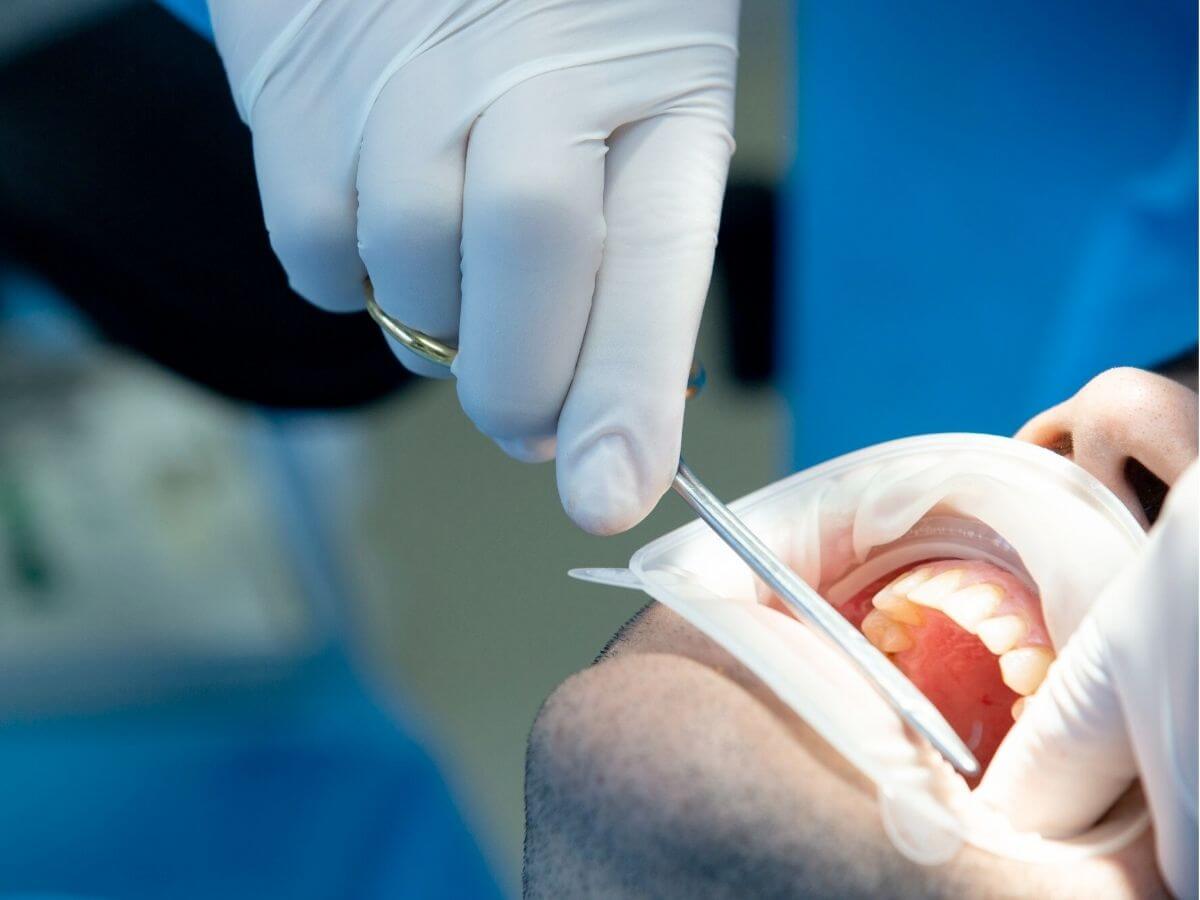
Experience professional wisdom teeth removal surgery at Family Dental in Penang – designed to ensure a smooth, safe, and comfortable wisdom tooth extraction process.
Our team of dental specialists uses the latest technology to provide effective treatment, helping you relieve pain, prevent future complications, and restore your oral health with confidence.
What Are Wisdom Teeth?
Wisdom teeth, or third molars, are the last set of molars that usually appear between the ages of 17 and 25. They grow at the very back of your mouth—one in each corner—but not everyone gets all four. Some people may have fewer, or none at all, which is completely normal.
In modern diets with softer foods, wisdom teeth no longer serve a purpose. They often cause issues like crowding, misalignment, or impaction due to limited space to grow.
When this happens, dental professionals usually recommend surgical removal. Impacted wisdom teeth can lead to pain, infection, or even damage to nearby teeth if left untreated.
The surgical extraction is a safe, routine procedure that minimises discomfort and risks. Understanding its impact helps you make informed choices for better oral health.

What Is Wisdom Tooth Surgery & When Is It Required?
Wisdom tooth surgery is a common procedure used to remove third molars (wisdom teeth) that are causing problems or are likely to lead to future complications. Unlike a simple extraction, surgery may be required when the tooth is impacted, partially erupted, trapped beneath the gums, or growing at an angle. These conditions can result in pain, swelling, infection, tooth decay, gum disease, crowding, or damage to neighbouring teeth.
Early assessment and treatment can help prevent complications and support long-term oral health.
Surgical extraction is often recommended when:
- The wisdom tooth is impacted or unable to erupt properly.
- There is persistent pain, swelling, or infection.
- The tooth is difficult to clean, increasing the risk of cavities or gum disease.
- It affects the position or health of nearby teeth.
- It may contribute to jaw discomfort or, in some cases, sinus-related issues.
What Are the Benefits of Wisdom Tooth Surgery?
Wisdom tooth extraction surgery offers both short- and long-term benefits that support your overall oral health and comfort. In essence, it’s not just about addressing current issues—it’s a proactive step toward lasting oral health and peace of mind.
Pain Relief
Impacted or infected wisdom teeth often cause persistent pain, swelling, and pressure. Extraction provides immediate relief by removing the source of discomfort, making it easier to recover and return to daily life.
Post-surgery, patients typically experience reduced inflammation and fewer oral health issues.
Prevention of Future Dental Problems
Removing wisdom teeth early helps prevent future complications such as:
- Tooth crowding and misalignment
- Gum infections like pericoronitis
- Dental cysts or jawbone damage
By acting early, you reduce the chance of costly treatments down the road.
Improved Oral Hygiene
Wisdom teeth are located far back in the mouth, making them hard to clean. When removed:
- It becomes easier to brush and floss adjacent teeth
- The risk of cavities and gum disease is significantly reduced
- Overall dental maintenance is more effective and less stressful
Wisdom Tooth Extraction vs. Surgical Removal — What's the Difference?
"Wisdom tooth extraction" and "wisdom teeth removal surgery" are not the same procedure. Your dentist recommends one based on whether the tooth has fully erupted or is impacted. Simple extraction is used when the tooth is fully visible above the gum. No incision is needed — the dentist loosens and removes it directly. Recovery: 1–2 days.
Surgical removal is required when the tooth is impacted, partially erupted, or growing at an angle. The dentist makes a small gum incision, and may section the tooth for safer removal. Recovery: 3–7 days.
| Simple Extraction | Surgical Removal | |
|---|---|---|
| Tooth position | Fully erupted | Impacted / partially erupted |
| Incision | No | Yes |
| Procedure time | 15–30 min | 45–60 min |
| Recovery | 1–2 days | 3–7 days |
| Cost (per tooth) | RM150–RM300 | RM800–RM1,000 |
The right approach is determined through a clinical exam and X-ray. If you're experiencing pain or swelling, early assessment is key — delayed treatment for an impacted tooth can lead to infection or damage to adjacent teeth.
Book a consultation with our team at Family Dental Penang to find out which procedure you need. See our full Wisdom Tooth Removal Cost Malaysia guide
How Much Does Wisdom Teeth Removal Cost in Malaysia?
The cost of wisdom teeth removal in Malaysia varies depending on factors like the complexity of the procedure, the number of teeth involved, and whether the tooth is impacted. Other cost factors may include X-rays, consultation fees, and the clinic’s location.
General Price Range in Malaysia:
- Simple extraction (fully erupted): RM150 – RM300 per tooth
- Surgical removal of impacted tooth: RM800 – RM1,000 per tooth
- Complex or horizontal impaction: RM1,500 – RM2,500 per tooth
Some clinics may also offer package pricing if multiple wisdom teeth are removed in one visit. It’s best to consult your dentist for a personalised quote based on your condition.
Trusted Wisdom Teeth Surgery in Penang
Our dentists are experienced and professional in performing minor oral surgery for wisdom teeth removal. Choose wisely for a healthier, pain-free smile—with FAMILY DENTAL.
The Wisdom Tooth Removal Procedure Like at Family Dental Clinic
At our clinic, your comfort and safety are our top priorities during wisdom tooth extraction. The procedure is performed by experienced professionals using precise and gentle techniques to ensure minimal discomfort.
Step 1 -Anaesthesia
Anaesthesia options vary by case, with local anaesthesia most common and sedation or general anaesthesia used if needed.
Step 2 - Gum Access
Once numb, the dentist will make a small incision in the gum to expose the tooth and surrounding bone.
Step 3 - Tooth Sectioning (If Needed)
For easier removal, the tooth may be divided into smaller parts—especially if it’s impacted or angled.
Step 4 - Tooth Removal
Using specialised instruments, the tooth is carefully extracted with minimal trauma to the surrounding tissue.
Step 5 - Cleaning and Stitching
The site is thoroughly cleaned, and sutures (stitches) may be placed to aid healing and reduce bleeding.
The entire procedure typically takes around an hour, depending on the complexity of your case.
Aftercare & Recovery: Your Guide to a Smooth Healing Process
Proper aftercare is crucial for a comfortable recovery and preventing complications. Follow these guidelines closely:
Pain and Swelling Management:
- Ice Packs: For the first 24-48 hours, apply an ice pack to the outside of your cheek for 20 minutes on, then 20 minutes off, to reduce swelling and numb pain.
- Medication: Take prescribed pain medication as directed. You can also use over-the-counter anti-inflammatory drugs like ibuprofen if approved by your dentist.
Oral Hygiene:
- Saltwater Rinses: Begin 24 hours after surgery. Gently rinse your mouth with a warm saltwater solution (1/2 teaspoon of salt in a glass of warm water) 3-4 times a day, especially after meals.
- Brushing: You can brush your teeth the night of the surgery, but be very gentle and avoid the extraction site for the first few days.
Rest and Activity:
Rest as much as possible for the first 24 hours. Avoid strenuous exercise, bending, or heavy lifting for at least a week, as this can increase bleeding and swelling.
Visit Us Today
Frequently Asked Questions About Wisdom Teeth Removal


- Prevent future dental problems such as cavities, gum disease, and misalignment
- Relieve pain and discomfort caused by pressure or inflammation
- Avoid complications like cysts, jawbone damage, or sinus issues
- Improve oral hygiene, especially in hard-to-reach areas
- Yogurt, pudding, and ice cream
- Smoothies and milkshakes (do not use a straw)
- Lukewarm, smooth soups
- Mashed potatoes, scrambled eggs, and porridge
- Applesauce and avocado
- Using Straws: The suction can dislodge the protective blood clot, leading to a painful condition called dry socket.
- Hard or Crunchy Foods: Avoid nuts, chips, and popcorn that can get stuck in the socket.
- Spicy or Acidic Foods: These can irritate the wound.
- Hot Liquids: Avoid hot coffee, tea, or soup for the first 24-48 hours.
Days 4-7: You should notice a significant improvement. Swelling and discomfort will decrease, and you can start reintroducing semi-soft foods. Most people can return to work or school.
Week 2: The extraction sites will continue to heal. While you should still avoid chewing hard or crunchy foods directly on the sites, most other symptoms should be gone.
- Severe, throbbing pain a few days after surgery.
- Pain that radiates to your ear, eye, or neck.
- A bad taste or smell coming from your mouth.
- Do not use straws for at least one week.
- Avoid smoking or spitting forcefully.
- Stick to a soft food diet for the first few days.
- Follow all post-operative instructions carefully. If you suspect you have a dry socket, contact us immediately.
See you at FamilyDental
Opening hours
Mon, Tue & Fri: 9am-6pm
Wed & Thu: 9am-9pm
Sat, Sun & Public Holiday: 10am-6pm
Contact information
Dentist Near You
Gurney Paragon
Tanjung Bungah
Georgetown
Batu Ferringhi
© Family Dental Clinic 2026
