Experiencing jaw discomfort, swollen gums, or persistent pain at the back of your mouth—and wondering if it could be your wisdom tooth?
Wisdom Tooth Extraction Guide: Pain, Infection & Surgery Explained
Wisdom tooth problems are common, especially among young adults, yet many patients are unsure when extraction is necessary or what the procedure involves.
This comprehensive guide explains Wisdom Tooth Extraction in clear, professional terms. You will learn what wisdom tooth are, why they often cause problems, when wisdom tooth surgery is recommended, what symptoms such as a swollen gum wisdom tooth may indicate, and how extraction helps prevent pain and infection.
The goal is to help you make informed decisions with confidence and clarity.
What Are Wisdom Tooth?
Wisdom tooth, also known as third molars, are the last set of teeth to emerge, typically between the ages of 17 and 25. Most people have up to four wisdom teeth—two on the upper jaw and two on the lower jaw.
Unlike other teeth, wisdom tooth often lack sufficient space to erupt properly. This can cause them to grow at an angle, become partially erupted, or remain trapped beneath the gums or jawbone.
What Does an 'Impacted' Wisdom Tooth Mean?
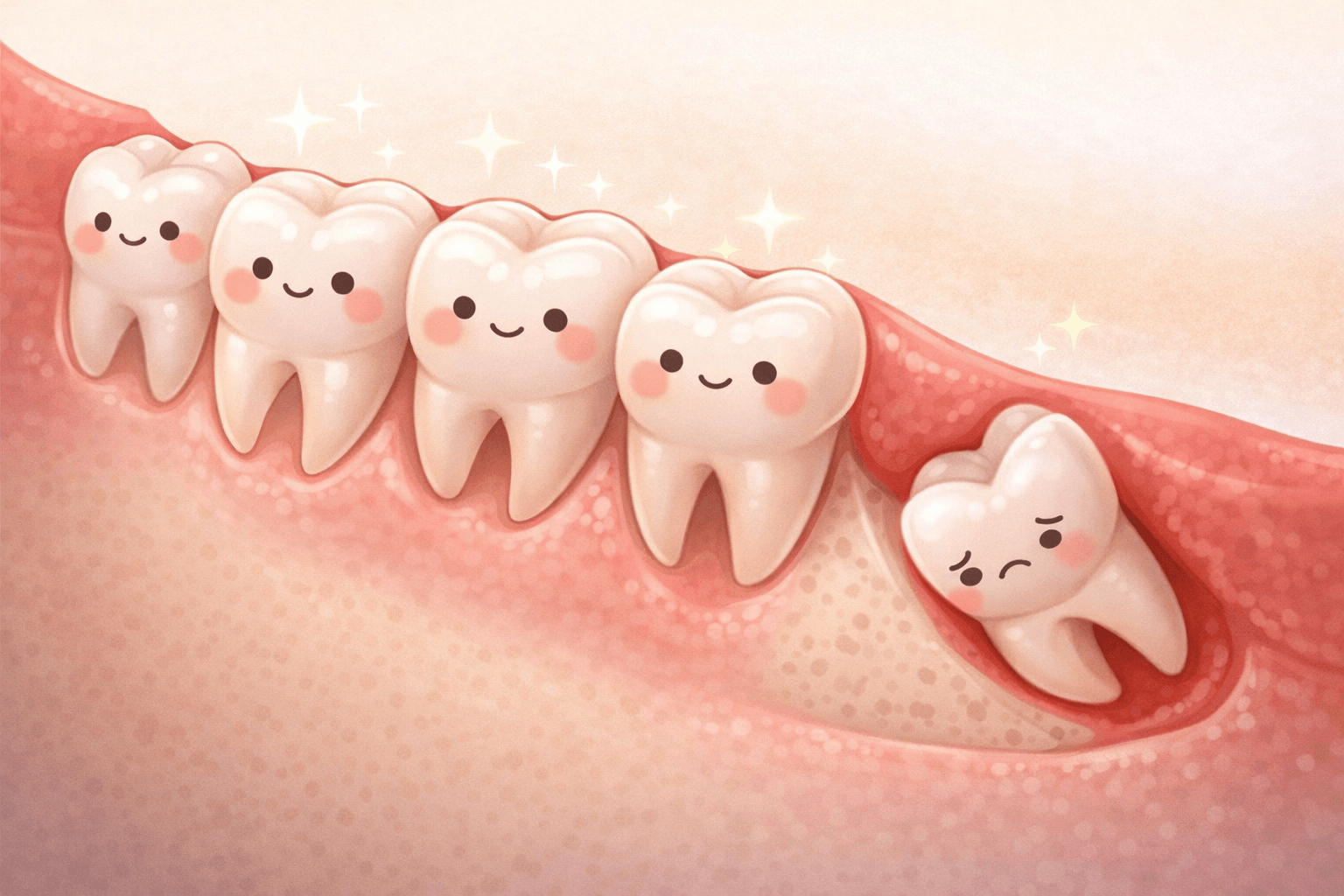
A wisdom tooth is 'impacted' when it lacks the space to erupt properly and becomes trapped in the jawbone or under the gums. This can lead to pain, infection, and other issues. Impactions are often classified by the angle of the tooth:
- Mesial Impaction: The tooth is angled towards the front of the mouth. This is the most common type.
- Vertical Impaction: The tooth is in the correct upright position but remains trapped below the gumline.
- Horizontal Impaction: The tooth is lying completely on its side, often pushing into the roots of the molar next to it. This is typically the most difficult to remove.
Why Wisdom Tooth Commonly Cause Problems
Modern jaws are generally smaller than those of our ancestors, leaving limited space for additional molars. As a result, wisdom teeth may become:
- Impacted (unable to fully erupt)
- Partially erupted, creating a pocket for bacteria
- Misaligned, pressing against adjacent teeth
These conditions increase the risk of pain, swelling, and infection.
When Does a Wisdom Tooth Need Extraction?
Not all wisdom tooth require removal. However, extraction is often recommended when symptoms or risks are present.
1. Swollen or Painful Gums Around the Wisdom Tooth
A swollen gum wisdom tooth is one of the most common warning signs. Inflammation may be accompanied by tenderness, redness, or bleeding.
2. Persistent Pain or Jaw Discomfort
Pain may radiate to the jaw, ear, or surrounding teeth, making chewing uncomfortable.
3. Recurrent Infection
Partially erupted wisdom teeth can trap food and bacteria, leading to repeated infections (pericoronitis).
4. Difficulty Opening the Mouth
Infection or inflammation around impacted wisdom teeth may restrict jaw movement.
5. Damage to Adjacent Teeth
Misaligned wisdom teeth can push against neighbouring molars, increasing the risk of decay or gum disease.
Understanding Wisdom Tooth Infection
Wisdom tooth infection occurs when bacteria accumulate around partially erupted or impacted teeth. Common symptoms include:
- Swelling of the gums or jaw
- Throbbing pain
- Bad breath or unpleasant taste
- Pus discharge
- Fever in severe cases
Left untreated, infection can spread to surrounding tissues and may lead to more serious complications.
When Is Wisdom Tooth Surgery Recommended?
Wisdom tooth surgery is typically advised when:
- There is recurrent pain or infection
- The tooth is impacted and unlikely to erupt normally
- Adjacent teeth are at risk
- Orthodontic or restorative dental work may be affected
In some cases, dentists may recommend early removal before symptoms worsen, particularly for impacted wisdom teeth with a high risk of future problems.
Simple Extraction vs Surgical Wisdom Tooth Removal
Wisdom tooth removal can generally be performed as either a simple extraction or a surgical extraction, depending on the position and condition of the tooth. Understanding the differences can help patients know what to expect during treatment.
Simple Wisdom Tooth Extraction
A simple extraction is typically performed when the wisdom tooth has fully erupted through the gums and is easily accessible. During the procedure, the dentist loosens the tooth and removes it using specialised dental instruments. Simple extractions are usually quicker, less invasive, and involve a shorter recovery period.
Need an assessment? Learn about wisdom tooth extraction and surgery in Penang.
Surgical Wisdom Tooth Removal
Surgical extraction is required when a wisdom tooth is partially erupted, impacted, trapped beneath the gums, or growing at an angle. The procedure involves making a small incision in the gum and, in some cases, removing a portion of the surrounding bone to access the tooth. The tooth may also be divided into smaller sections for easier removal. Surgical wisdom tooth removal is more complex but is often necessary to prevent pain, infection, crowding, and damage to neighbouring teeth.
Which Procedure Do You Need?
The most suitable treatment depends on the position of your wisdom tooth, which can be assessed through a clinical examination and dental X-rays. Your dentist will recommend the safest and most effective approach based on your individual condition. 🦷✨
Types of Wisdom Tooth Extraction
Simple Extraction
Performed when the wisdom tooth has fully erupted and is easily accessible. The tooth is removed under local anaesthesia.
Surgical Extraction
Required for impacted or partially erupted teeth. This procedure may involve:
- Making a small incision in the gum
- Removing bone around the tooth
- Sectioning the tooth for easier removal
Surgical extractions are common and are performed safely with appropriate anaesthesia and aftercare.
How Much to Remove a Wisdom Tooth in Malaysia?
The cost of wisdom teeth removal in Malaysia varies based on a few key factors. The final price depends on the complexity of your case, specifically whether the tooth is fully erupted or is impacted within the jawbone. The type of impaction (e.g., simple vs. horizontal) and the type of anesthesia selected (local, sedation, or general) will also influence the total cost. During your consultation, we will provide a detailed and transparent quote based on your specific needs.
Read more about Wisdom Teeth Removal Surgery Service in Penang
What to Expect During Wisdom Tooth Surgery
Wisdom tooth surgery is a routine dental procedure.
Before the Procedure
- Dental examination and X-rays
- Review of medical history
- Discussion of anaesthesia options
Your wisdom tooth removal journey begins with a comprehensive consultation. During this visit, our dental specialist will perform a thorough oral examination and take dental X-rays (such as a panoramic X-ray) to view the exact position of your wisdom teeth. This imaging allows us to see if they are impacted and assess their relationship with nearby nerves and teeth. Based on this evaluation, we will discuss our findings with you and create a personalized wisdom teeth treatment plan that outlines the best course of action.
During the Procedure
- Local anaesthesia or sedation is administered
- The tooth is carefully removed
- The area is cleaned and sutured if necessary
The procedure typically takes 30 to 60 minutes, depending on complexity.
Choosing the Right Anesthesia for Your Comfort
Your comfort is our priority. Before the procedure, we will discuss the best type of anesthesia for your needs, based on the complexity of the extraction and your personal comfort level. Options typically include:
- Local Anesthesia: Injected to completely numb the extraction area. You will be awake and aware, but will not feel any pain.
- IV Sedation: Administered through a vein, this type of anesthesia will make you feel very relaxed and drowsy. You will remain conscious but may have little to no memory of the procedure.
- General Anesthesia: For more complex cases or for patients with significant anxiety, this will make you completely unconscious during the surgery.
Pain Management After Wisdom Tooth Extraction
Some degree of discomfort is expected after extraction. However, pain is usually manageable.
Normal Post-Extraction Symptoms
- Mild to moderate pain
- Swelling of the cheek or jaw
- Limited mouth opening
Pain Relief Measures
- Prescribed or over-the-counter pain medication
- Cold compresses to reduce swelling
- Rest and limited physical activity
Pain usually peaks within the first two to three days and gradually improves.
Aftercare & Recovery: Your Guide to Healing Well
A smooth recovery depends on careful aftercare. Our team will give you personalized instructions, but here are the essential steps:
- Control Bleeding: Bite gently on the provided gauze for 30-60 minutes after surgery to help a protective blood clot form.
- Manage Swelling: For the first 24 hours, apply an ice pack to your cheek for 20 minutes at a time to reduce swelling and discomfort.
- Eat Soft Foods: Stick to a diet of soft foods like yogurt, soup, smoothies, and mashed potatoes. Avoid anything hard, crunchy, or spicy.
- Stay Hydrated: Drink plenty of water, but do NOT use a straw, as the suction can dislodge the blood clot and cause dry socket.
- Practice Gentle Oral Hygiene: Beginning the day after surgery, you can gently rinse your mouth with warm salt water, especially after meals. Brush your other teeth as normal, but avoid the surgical site.
Recovery and Healing Timeline
Most patients recover within one to two weeks.
First 24–48 Hours
- Rest is essential
- Avoid strenuous activity
- Follow post-operative instructions closely
First Week
- Swelling subsides
- Stitches may dissolve or be removed
- Soft foods are recommended
After Two Weeks
- Normal activities usually resume
- Healing continues internally
Reducing the Risk of Complications
Following proper aftercare reduces the risk of complications such as dry socket or infection.
Key aftercare tips include:
- Avoid smoking or using straws
- Maintain gentle oral hygiene
- Follow medication instructions
- Attend follow-up appointments
Is Wisdom Tooth Extraction Always Necessary?
Not all wisdom teeth require removal. If wisdom teeth are:
- Fully erupted
- Properly aligned
- Easy to clean
- Symptom-free
They may be monitored rather than extracted. Your dentist will assess risks based on clinical findings and X-rays.
Understanding Potential Risks of Wisdom Teeth Surgery
Wisdom tooth removal is a very safe and routine procedure. However, like any surgery, it has potential risks, which our experienced team works diligently to minimize. These can include:
- Dry Socket: A painful condition where the blood clot in the socket dislodges prematurely. Following all aftercare instructions is the best way to prevent this.
- Infection: Bacteria can enter the extraction site, though this is uncommon with proper post-operative oral hygiene.
- Nerve Injury: In rare instances, nerves close to the wisdom tooth can be bruised, potentially causing temporary numbness in the lip, chin, or tongue.
Wisdom Tooth Extraction and Long-Term Oral Health
Removing problematic wisdom tooth can:
- Prevent recurrent infection
- Reduce future dental complications
- Protect adjacent teeth and gums
When performed at the right time, wisdom tooth extraction supports long-term oral health and comfort.
Final Thoughts: Making an Informed Decision
Wisdom Tooth Extraction is a common and well-established dental procedure designed to relieve pain, prevent infection, and protect overall oral health. Whether you are experiencing a swollen gum wisdom tooth, persistent pain, or signs of infection, early evaluation is key.
By understanding when wisdom tooth surgery is recommended and what the process involves, patients can approach treatment with confidence rather than uncertainty.
A professional dental assessment at Family Dental Clinic ensures the safest and most appropriate course of action—helping you maintain a healthy, comfortable smile for years to come.